Luck versus skill How chance really influences your casino game outcome
Luck versus skill How chance really influences your casino game outcome
The Role of Luck in Casino Games
Luck is often seen as the primary factor in casino games, especially those based on chance. Games like slot machines and roulette are designed to rely heavily on random outcomes, making luck the decisive element in winning or losing. Players frequently experience winning streaks or unexpected losses, reinforcing the idea that luck plays a significant role in their success at the casino. For those looking to enjoy a thrilling experience, the best casino online in canada can be a great option, where luck and chance intertwine.
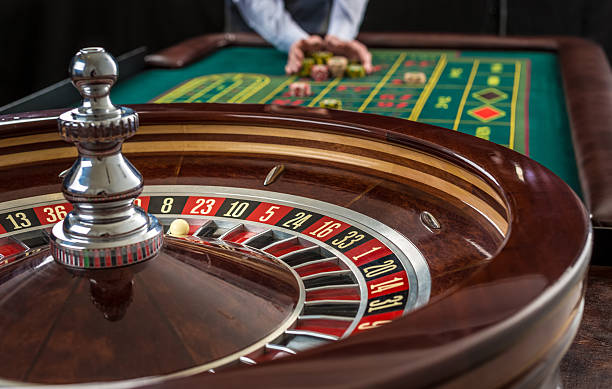
Moreover, psychological factors contribute to how players perceive luck. Many gamblers believe in “hot” or “cold” streaks, attributing their outcomes to luck rather than skill. This belief can influence their betting strategies, often leading to more risk-taking behavior in pursuit of winning, based solely on the hope that fortune will smile upon them.
The Importance of Skill in Strategy-Based Games
While luck is undeniably a factor, skill becomes crucial in strategy-based games such as poker and blackjack. In these games, players can employ various tactics to increase their chances of winning. Understanding probabilities, reading opponents, and calculating risks are vital skills that can significantly affect the outcome. For instance, an experienced poker player can leverage their knowledge to bluff or make strategic decisions that can outplay less skilled opponents.
Moreover, in games like blackjack, players can use strategies such as card counting to tilt the odds in their favor. This reliance on skill exemplifies how knowledgeable players can mitigate the element of luck, turning the game into one where strategic decision-making becomes paramount for success.
The Balance Between Luck and Skill
The interaction between luck and skill in casino games creates a dynamic gaming environment. For instance, while a player may win a hand of poker due to luck, their overall success depends on their skill level over multiple games. This balance often leads to discussions on which factor ultimately has more influence in determining outcomes across different types of games.
Furthermore, understanding this balance can help players make informed decisions about their gambling strategies. By recognizing the limits of luck and emphasizing skill where applicable, players can enhance their experience and potentially increase their chances of success in the long run.
Understanding Variance and House Edge
Variance is a key concept in gambling that showcases how luck can impact outcomes over time. Even skilled players can experience significant swings in results due to the inherent randomness of games. The house edge, a statistical advantage that casinos hold over players, also plays a crucial role in how outcomes are influenced by luck and skill. Games with a higher house edge typically favor luck more than skill, making it harder for players to consistently win.
Conversely, in games where players can apply skill to reduce the house edge, such as poker and certain variations of blackjack, the outcomes can be more predictable over time. This understanding of variance and house edge enables players to adjust their expectations and strategies, depending on the type of game they choose to engage in.

Your Ultimate Resource for Casino Gaming
To navigate the world of casino gaming effectively, it’s essential to have access to reliable information and resources. Our website serves as your ultimate guide, providing comprehensive reviews of licensed casinos, helping you evaluate factors like safety, bonuses, and game variety. By staying informed, you can make educated choices that enhance your gaming experience.
Whether you are a novice or an experienced player, our continuously updated resources are designed to empower you. Explore our offerings and gain insights that will help you maximize your enjoyment while minimizing risks in your casino endeavors.
