Why Travelers Are Ditching Physical SIM Cards
Stay Connected Instantly With The Best International eSIM For Your Trip
International eSIM is the definitive tool for global connectivity, replacing physical SIM cards with a digital profile you activate instantly. It works by downloading a carrier profile onto your device’s embedded chip, allowing you to switch between local networks in over 190 countries without swapping cards. This eliminates roaming fees and the need to hunt for plastic SIMs abroad, giving you immediate data access upon arrival.
Why Travelers Are Ditching Physical SIM Cards
Travelers are ditching physical SIM cards because international eSIM technology removes the hassle of swapping tiny chips at airports. You simply scan a QR code or download a profile before a trip, avoiding the frantic search for a local store or the risk of losing your fragile SIM tray. With a digital eSIM, you can activate a data plan from your couch, keeping your home number active for calls while the eSIM handles roaming data. There’s no more juggling multiple plastic cards or dealing with tedious unlock codes. Instant connectivity upon landing is the main draw—no more waiting in line for a prepaid SIM. This pure convenience is why the physical card is becoming obsolete for frequent flyers.
The Hidden Costs of Roaming and Local SIMs
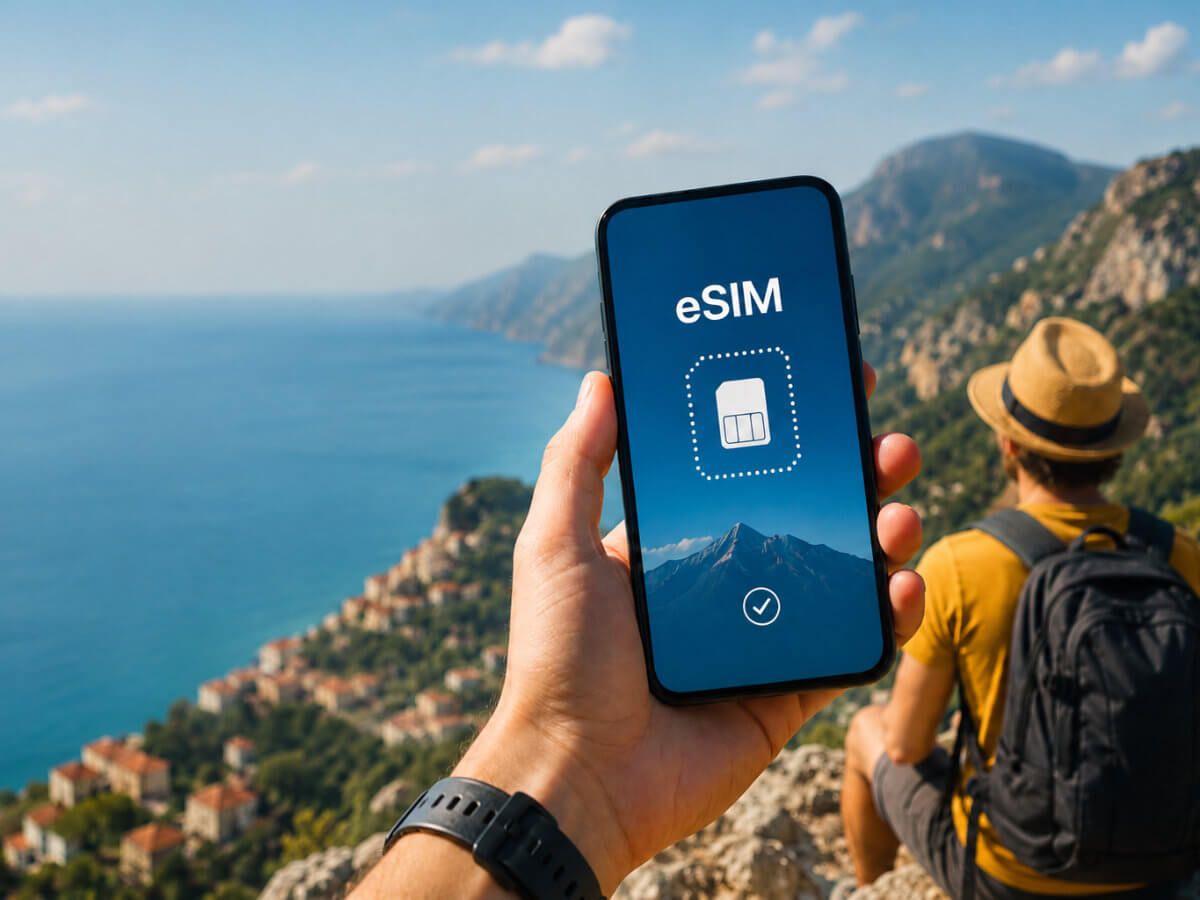
Roaming seems easy, but you’re often hit with daily fees or tiny data caps that vanish after a few videos. Local SIMs appear cheaper, yet you pay for the SIM itself, waste time hunting a store, and lose your home number unless you swap back. Unexpected roaming fees can also trigger if you accidentally wander near a border. That airport “deal” might require a passport copy or a top-up with hidden expiry. Between these traps, physical SIMs rarely offer the straightforward, locked-in price you expect.
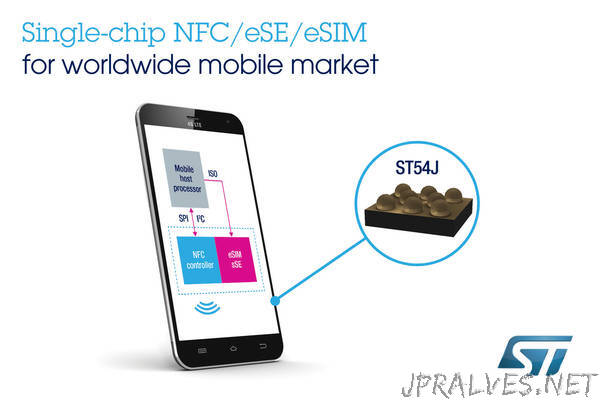
The hidden costs of roaming and local SIMs include daily surcharges, physical SIM card fees, lost time buying them, and risk of accidental roaming charges near borders.
How an eSIM Saves Hours at Airport Kiosks
An eSIM eliminates the need to queue at airport kiosks entirely. Instead of searching for a vendor, waiting in line, and fumbling with a physical SIM tray while managing luggage, you activate an international eSIM before departure. Upon landing, your device immediately connects to a local network, bypassing the typical 20-to-40-minute airport delay. This saves hours across multiple trips, as you never repeat the kiosk process. The activation happens via app or QR code anytime, anywhere, making the airport transit zero-wait connectivity effortless.
How Digital Roaming Works on Modern Smartphones
Your phone’s modem, when triggered by an international eSIM profile, digitally negotiates with a foreign carrier’s tower using a remote SIM provisioning standard. Instead of swapping a physical card, your device downloads a unique authentication key that identifies you to the visited network. When you land in Tokyo, for instance, your phone automatically selects a local partner network that your eSIM provider has pre-arranged, and data flows through an IP tunnel back to your home provider or a cloud gateway. How does your phone stay connected across countries seamlessly? The eSIM stores multiple profiles; your device picks the active one and roams as if it’s a local number, all without you touching a tray. You just enable data, and the background handshake happens in seconds.
Embedded Chips and Remote Profile Downloads
Modern international eSIM functionality depends on the phone’s embedded chip (eUICC) soldered directly to the motherboard. Instead of swapping a physical card, you initiate a remote profile download by scanning a QR code or using an app, which writes a new carrier profile securely to that chip. This process activates in minutes, storing multiple profiles simultaneously for instant switching between providers abroad. Q: How does the embedded chip store several international profiles without filling up? Each profile consumes minimal encrypted data within partitioned memory, so you can keep home and travel profiles active without performance lag or storage issues.
QR Codes vs. eSIM Apps: Which to Choose
When activating an international eSIM, your choice between a QR code versus a provider’s app hinges on device compatibility and setup speed. A QR code is universal—just scan it with your camera to install the eSIM profile instantly, ideal if you want to avoid downloading extra software. Conversely, dedicated eSIM apps offer a more guided experience, automatically fetching your QR code, managing multiple profiles, and simplifying recharges. However, apps are platform-dependent and can fail if your phone’s OS isn’t fully supported. For pure reliability across any smartphone, QR codes win; for seamless management, the app excels.
Choose QR codes for universal compatibility; choose the app for streamlined management and convenience.
Top Scenarios Where eSIMs Outperform Traditional Plans
International eSIMs outperform traditional plans most dramatically during multi-country trips: you can switch between local carriers in Japan, France, and Brazil without hunting for a physical SIM or paying exorbitant roaming fees. Another top scenario is emergency connectivity when your physical SIM is locked to a domestic carrier abroad—an eSIM lets you buy a cheap data package instantly for maps or messaging. Business travelers also win with dual-line functionality: keep your home number active for calls while using a local eSIM for cheap data.
No more fumbling with tiny SIM trays at airport kiosks or overpaying for a single tourist plan that caps your speed in every new country.
For short-term freelance assignments, eSIMs offer flexible daily or weekly passes that traditional contracts can’t match.
Multi-Country Backpacking Without Switching Carriers
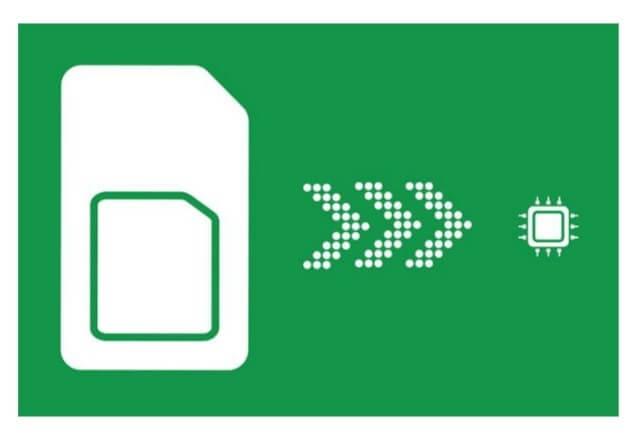
For multi-country backpacking, an international eSIM eliminates the logistical nightmare of sourcing and swapping physical SIMs at every border crossing. Instead of hunting for local vendors or paying exorbitant roaming fees, you purchase a single regional eSIM plan before departure, which seamlessly connects you to local networks as you move between countries. This ensures uninterrupted connectivity during border crossings, allowing navigation, messaging, and emergency access to work continuously without manual carrier reconfiguration.
- Activate one regional data plan covering multiple countries (e.g., Europe, Southeast Asia) instead of buying separate SIMs per destination.
- Keep your existing home number active for SMS and calls via dual-SIM functionality while the eSIM handles local data.
- Reload or top up the same eSIM profile remotely, avoiding physical store visits in remote locations.
Business Trips Needing Instant Connectivity
For business trips needing instant connectivity, an eSIM eliminates the frantic airport SIM hunt or costly roaming activation. You can connect the moment you land, joining video calls or accessing cloud files without delay. Dead zones in transit become irrelevant with a pre-loaded eSIM profile. This predictability saves billable hours and reduces travel stress.
- Activate a local data plan before departure, ensuring connectivity from touchdown.
- Switch between regional carriers if a meeting area has poor signal.
- Keep your primary number active for client calls while using eSIM data.
- No physical card swapping means you never lose access mid-trip.
Keeping a Home Number Active While Abroad
Keeping a home number active while abroad is a prime scenario where eSIMs surpass traditional plans. Instead of juggling physical SIM swaps or risking service suspension, an eSIM allows your primary home number to remain live for incoming SMS and calls over your existing data plan. This is critical for receiving bank verification codes or security alerts. You pay only for minimal voice or SMS retention on your home line, not for expensive roaming data. Maintaining home number access via eSIM eliminates the need for a secondary phone or forwarding services. Key practical advantages include:
- Receive two-factor authentication codes without removing your travel data eSIM.
- Keep your home number reachable for family emergencies at zero monthly roaming cost.
- Switch between home and travel lines instantly in phone settings, with no SIM tray.
- Avoid losing your home number due to prolonged inactivity after switching to a foreign carrier.
Comparing the Best Global Connectivity Providers
When comparing the best global connectivity providers for international eSIM, the real test happens during a chaotic layover in Istanbul. One provider slips you onto a sluggish local network, while another instantly hooks you into a multi-carrier mesh that autoswitches between Turkcell and Vodafone as you walk from gate to gate. The winner isn’t just the one with the most country coverage—it’s the one that keeps your data speeds reliable when you’re streaming a map through a crowded bazaar. I’ve had a budget eSIM die on me at a train station in Munich, forcing a frantic search for a café with Wi-Fi. Meanwhile, a premium provider’s app let me top up instantly without needing a new profile. For globetrotters, the deciding factor comes down to source network quality and real-time roaming flexibility, not just price per gigabyte.
Airalo: Coverage Strengths and User Experience

Airalo’s primary coverage strength lies in its extensive aggregation of local and regional networks, allowing users to maintain connectivity across 190+ countries without switching physical SIMs. The user experience is streamlined through a dedicated app that enables instant eSIM purchase, installation, and data top-ups, though activation can occasionally require a stable Wi-Fi connection for initial profile download. Regional eSIM plans provide the best value for multi-country travel, offering seamless cross-border data transitions without manual reconfiguration. However, in remote or less-digitized areas, coverage may rely on a single partner network, potentially affecting speeds. Q: Does Airalo’s coverage work immediately upon landing? A: Yes, once the eSIM profile is installed before departure, the device automatically connects to local networks upon arrival, though data speed and latency still depend on the region’s infrastructure quality.
Holafly: Unlimited Data Plans Reviewed
For travelers needing constant connection, Holafly’s unlimited data plans reviewed reveal a major perk: no daily caps or throttling on most global eSIMs. You pay a flat fee (often $19–$89 for 1–30 days) and get genuine unlimited 4G/5G in destinations like Europe, Asia, or the US. Keep in mind speeds may drop slightly on congested networks in busy cities, though video streaming remains smooth. Setup is simple—scan a QR code before departure, then activate upon landing. A standout downside: unlimited plans typically exclude hotspot sharing, so you can’t tether. Compared to capped data rivals, Holafly wins for heavy users who hate tracking megabytes.
| Feature | Holafly Unlimited |
|---|---|
| Data cap | No cap |
| Hotspot | Not allowed |
| Speed on 4G/5G | Full speed typical |
Google Fi: Seamless Switching for Frequent Flyers
For frequent flyers, Google Fi’s seamless switching eliminates the hassle of manual network selection. Unlike standard eSIMs that require pre-loading destination profiles, Google Fi automatically connects you to high-speed partners the moment you land, often without any lag. You maintain your domestic number for calls and texts, while data pricing stays consistent across over 200 countries. The “Flexible” plan charges a flat $10 per GB globally, ensuring no surprise roaming fees or speed throttling during short trips. This automatic handoff, combined with straightforward billing, makes Google Fi an effortless plug-and-play solution for travelers constantly moving between regions.
Google Fi’s seamless switching automatically connects you to local networks upon arrival, offering consistent global data rates and a single bill—ideal for frequent flyers who value zero-configuration connectivity.
Regional Specialists Like Ubigi and Nomad
Regional specialists like Ubigi and Nomad prioritize deep, stable connectivity in specific corridors over global breadth. Ubigi excels in high-bandwidth eSIM performance across Japan and Southeast Asia, offering local APN profiles for consistent speeds. Nomad targets frequent travelers to Europe and Asia with flexible, short-term data packs that route through regional partner networks to minimize latency. Both provide tailored regional network access without the complexity of global aggregators, focusing coverage on proven, high-demand zones rather than offering one-size-fits-all solutions.
Ubigi and Nomad deliver optimized eSIM performance by focusing expertise on specific regions like Asia and Europe, prioritizing stable, localized connectivity over worldwide coverage.
Device Compatibility Checklist Before You Travel
Before purchasing an international eSIM, run a Device Compatibility Checklist to avoid connectivity failures. First, confirm your smartphone is carrier-unlocked, as locked devices will reject foreign eSIM profiles. Next, verify your model supports eSIM technology—most iPhones from XR onward and recent Samsung S/Google Pixel series do—but check your specific device settings under “About Phone” for an EID number.
Critically, ensure your phone isn’t a locked Chinese, Hong Kong, or Japanese variant, which often disable eSIM functionality entirely.
Finally, update your device’s operating system and carrier settings before departure, then test profile installation while still connected to home Wi-Fi.
iPhone Models That Support Dual eSIM
For international travel, dual eSIM support on iPhones is restricted to specific models. The iPhone XS, XR, and 11 series support one physical SIM and one eSIM. Starting with the iPhone 12, all models (including SE 2020/2022) can hold two active eSIMs, but the 13 and later models allow both eSIMs to be used simultaneously for data and voice. The iPhone 14 (US) and 15 series (all regions) are eSIM-only, enabling two active eSIM lines without a physical card. What iPhone models support dual eSIM for international use? The iPhone 13, 14, and 15 families (Pro, Pro Max, Plus, standard), along with the iPhone SE 3rd gen, can run two eSIMs concurrently. Older models require one physical SIM for standby.
Android Flagships with eSIM Capabilities
When packing for a trip, check if your Android flagship like the Pixel 8 Pro or Galaxy S24 Ultra supports eSIM. Most high-end models from 2020 onward do, but you’ll want to confirm in Settings > Connections > SIM manager. Samsung’s S24 series is dual-active, meaning you can run https://baztel.co/esim-plans/esim-china-mainland your home SIM alongside a travel eSIM. If your phone is carrier-locked, eSIM may not work abroad—contact your provider first.
Q: Can I install an international eSIM on any recent Android flagship? A: Yes, as long as the phone is unlocked and runs Android 12 or newer. Always scan the QR code before you depart to avoid data dead zones.
Older Phones and the Need for a Physical Backup
Older phones often lack native eSIM support, making a physical backup crucial for international travel. Before leaving, verify your device’s specifications; if eSIM is absent, secure a physical backup SIM for your destination. To prepare, first power off the phone, then remove the existing SIM tray. Next, insert your travel or home country physical SIM as a primary fallback. Finally, store the phone’s original SIM card in a safe place, ensuring you can always revert to a working network if the eSIM activation fails or the phone’s eSIM functionality becomes incompatible abroad.
Managing Data Costs Across Different Continents
To manage data costs across different continents with an international eSIM, prioritize local or regional data packs over global ones where you spend most time. When hopping between continents, activate plans specific to each region before arrival to avoid expensive cross-continental roaming rates. Managing data costs across different continents requires you to buy multiple, smaller data bundles for short visits rather than a single, high-priced global monthly plan. Always switch your eSIM data profile to local carriers when you land, and disable automatic network selection. Top-up only enough for a few days to test coverage, preserving flexibility against rapid currency fluctuations or unexpected per-GB throttles.
Europe: Zone-Based Plans and EU Roaming Rules
For Europe, zone-based eSIM plans offer the most cost-effective approach, often covering the EU, UK, Switzerland, and other non-EU nations in a single bundle. Thanks to EU Roaming Rules, a plan activated in one Schengen country usually works seamlessly across the bloc, but note that once you leave the EU, separate coverage or data top-ups may trigger. A single EU plan will not include Switzerland or Norway unless explicitly stated in the zone description. Q: Do EU Roaming Rules apply to all European eSIMs? A: They only apply to plans sourced from an EU provider, so a global eSIM from a non-EU carrier may still charge roaming fees within the EU.
Asia-Pacific: High-Speed vs. Budget Options
For the Asia-Pacific region, choosing between high-speed and budget eSIM options hinges on your itinerary. High-speed plans from regional providers offer essential coverage for dense urban hubs like Tokyo, Seoul, and Singapore, ensuring seamless video calls and navigation. Budget options, often throttled to 3G or shared speeds, suffice for messaging and map checks but struggle with streaming. Prioritize high-speed eSIMs if you need reliable access in crowded cities or rural areas like Bali; otherwise, a local budget plan saves money for travelers mostly connected to Wi-Fi at hostels or cafes.
North America: Coverage Gaps in Rural Areas
North America’s rural expanses present persistent coverage holes for international eSIM users, particularly in the Canadian Shield and U.S. Mountain West. Rural bandwidth allocation often prioritizes local carriers, leaving roaming-dependent eSIMs with degraded or no signal. Users should pre-download offline maps and prioritize eSIM profiles tied to regional operators like T-Mobile or Rogers for better rural handoff. Network slicing agreements seldom extend beyond urban corridors, making a single eSIM unreliable for transcontinental road trips.
- eSIMs relying solely on AT&T or Telus roaming may lose connectivity beyond 50 km from major highways.
- Satellite-backed eSIM plans offer emergency SOS but lack consistent data throughput in deep rural zones.
- Dual eSIM slots allow fallback to a second provider’s rural footprint without swapping physical cards.
Africa and Latin America: Local Partnerships Matter
In Africa and Latin America, fragmented telecom infrastructure makes direct international eSIM roaming costly and unreliable. Local partnerships are critical; providers forge agreements with multiple regional carriers to secure affordable data at local rates rather than expensive global passes. These collaborations allow eSIMs to automatically switch between partner networks in countries like Nigeria or Brazil, ensuring stable connectivity without user intervention. The result is predictable pricing across diverse markets, avoiding bill shock from frequent network changes.Local network integration is the key to cost-effective data in these regions.
Q: Why are local partnerships essential for eSIMs in Africa and Latin America?
A: They bypass expensive international roaming tariffs by negotiating direct, low-cost data access with regional carriers, making connectivity affordable and stable.
Security and Privacy Considerations for Digital Profiles
International eSIMs centralize multiple digital profiles on a single device, creating a concentrated attack surface. Each profile stores sensitive authentication data that must be encrypted both at rest on the eSIM chip and during over-the-air provisioning. Users should prioritize carriers that implement strong mutual authentication between the device and the provisioning server to prevent SIM swapping. The ability to remotely delete a digital profile is a critical security feature, allowing immediate revocation if a device is lost or compromised. For privacy, profiles should operate with data minimization, sharing only the minimal network identifiers needed for connectivity, and offering granular control over which profile handles voice, SMS, or data to limit traffic correlation.
Risk of Remote SIM Hacking and How to Mitigate
Remote SIM hacking poses a critical threat to international eSIM users, as attackers can exploit SS7 protocol vulnerabilities to intercept SMS-based two-factor authentication or clone your digital profile. This grants them access to your calls, messages, and linked accounts. To mitigate this, always use app-based authenticators instead of SMS for verification, and enable a strong device PIN or biometric lock on your eSIM profile. Disabling remote provisioning features when not actively switching carriers adds another layer of protection against unauthorized transfers. Regularly audit your connected devices and revoke permissions for any unfamiliar sessions to maintain control of your digital identity abroad.
Data Encryption Standards Among Major Providers
Major international eSIM providers deploy either **AES-256 encryption** or TLS 1.3 protocols to protect user profile data during remote activation and over-the-air updates. For example, when downloading an eSIM to your device, the provider encrypts the profile with a unique session key, ensuring no plaintext data passes through untrusted networks. Storage-wise, some providers employ hardware-backed keystores within the eSIM chip itself, while others rely on end-to-end encrypted cloud vaults.
How often do providers rotate their encryption keys for active eSIM profiles? Top-tier providers rotate session keys per connection or at fixed intervals under 24 hours, though permanent profile keys on the chip rarely change unless the eSIM is fully re-issued.
What Happens When You Delete an eSIM Profile
Deleting an eSIM profile from your device immediately severs the connection to that specific network operator, rendering the international plan inactive. The profile is permanently removed from the device’s secure element, erasing the associated credentials and cryptographic keys. This action permanently disconnects your roaming service and cannot be undone; you must re-download and reinstall the profile to restore service. No residual data or billing ties remain, as the digital profile is fully purged.
- The profile is wiped from the device’s secure hardware, not just the settings menu.
- Two-factor authentication tokens or short codes linked to that profile become immediately unreadable.
- You can safely delete an old eSIM profile to free storage for a new international plan.
Troubleshooting Common Activation Pitfalls
When activating an international eSIM, the most common pitfall is failing to install the profile before departure. Always scan the QR code or input the activation code while connected to a stable Wi-Fi network. After installation, ensure cellular data roaming is enabled for the eSIM line, not your primary home line. A frequent error is disabling the home SIM’s data while keeping its voice line active, which can cause conflicts. For dual-SIM phones, assign the eSIM as the default data line under “Cellular Data Network.”
If activation fails, toggle Airplane Mode for 15 seconds to force a network refresh, then manually select the eSIM’s carrier from network operators list if it doesn’t auto-connect.
Finally, verify the eSIM’s start date matches your travel schedule—prepaid plans are often time-based, and premature activation eats into your data validity.
Failed Downloads and Network Lock Resets
A failed eSIM download often stems from an unstable Wi‑Fi or a carrier‑side error; retry on a solid connection or obtain a new QR code from your provider. If activation stalls, a network lock reset may be required—power cycle the device, remove and reinsert the physical SIM, then manually reselect the eSIM line in cellular settings. Should the phone remain locked to a previous network, contact the original carrier to unlock it, as a locked device blocks eSIM activation entirely.
Q: Why does my international eSIM keep failing to download even after a network lock reset?
A: Verify the eSIM is compatible with your device model and that you have deleted any old eSIM profiles. A factory reset of network settings often resolves residual lock conflicts.
Dual SIM Conflicts: Temporarily Disabling One Line
When your international eSIM refuses to activate, a common culprit is a dual SIM conflict caused by your primary line clinging to a weak home carrier signal. Force your phone to treat the eSIM as the priority by temporarily disabling the physical SIM in your device’s cellular settings. This eliminates the automatic network search that often locks activation. With only the eSIM line active, the handset must latch onto the local partner tower. Once the international profile is up and running, simply re-enable your primary line to resume simultaneous standby, avoiding the stalled splash screen that plagued your setup.
APN Settings Adjustments for Proper Data Routing
When an international eSIM activates but fails to route data, an incorrect APN is the primary culprit. You must manually override the default settings to ensure proper data routing. For most providers, enter “global” or their specific APN provided in the confirmation email. Manual APN configuration for regional eSIM compatibility is critical: go to Mobile Network settings, select the eSIM line, and input the exact APN credentials. Follow this sequence:
- Open Settings > Cellular/Mobile Data > choose your eSIM.
- Tap Cellular Data Network and clear any auto-filled values.
- Enter the APN exactly as supplied, then save and restart data.
This direct adjustment forces the device to route packets through the eSIM’s designated gateway, resolving most activation failures.
Future Trends in Global Mobile Connectivity
You step off the plane, and your phone doesn’t pause to search for a signal. The future of global mobile connectivity, powered by international eSIM, is already rewriting the traveler’s script. Instead of fumbling with plastic SIMs or hunting for local shops, your device will autonomously latch onto the strongest local network, negotiating data rates in the background.
Your connection will become a seamless utility, adapting instantly as you cross borders, from airport tarmac to a coastal village.
This means your maps, messages, and transit apps flow without interruption, turning every journey into a local experience before you’ve even left the terminal.
AI-Driven Plan Selection Based on Travel Habits
Future international eSIM systems will leverage AI to analyze your past travel patterns, trip duration, and data consumption, automatically selecting the most cost-effective local or regional plan. This eliminates manual plan hunting; the eSIM dynamically adjusts your subscription based on real-time location and usage, ensuring optimal coverage without overpaying for unused roaming. The core functionality relies on predictive network switching to preemptively secure the best carrier for your destination.
AI-driven plan selection removes guesswork, translating travel habits into automated, budget-optimized connectivity for every journey.
Built-in eSIMs on Laptops and Tablets
Built-in eSIMs on laptops and tablets eliminate the need for physical SIM cards or public Wi-Fi, enabling instant connectivity to local networks upon arrival in a new country. Users can activate a data plan directly from the device’s settings menu, avoiding roaming fees and cumbersome store visits. This embedded chip supports seamless multi-network switching, allowing professionals to maintain stable, low-latency connections across borders for remote work or critical tasks. For travelers, it means always-on internet for navigation, communication, and cloud access without hunting for SIM trays or dongles. The integration is permanent, offering a locked-in, always-ready international data solution.
Built-in eSIMs transform laptops and tablets into globally connected workstations, untethering users from physical SIMs and unreliable hotspots with instant, on-device network selection.
Carrier Aggregation for Faster Borderless Roaming
Carrier aggregation is set to make borderless roaming with an international eSIM markedly faster by dynamically combining multiple frequency bands from different local networks. Instead of relying on a single congested channel, your eSIM-enabled device will simultaneously pull spectrum from, for example, a 700MHz band for range and a 3.5GHz band for speed, delivering a single, seamless high-throughput connection. This technique eliminates the need for manual network selection as the software automatically bonds available carriers for dynamic multiband roaming. This results in lower latency and more consistent bandwidth as you cross from one country to another without interruption.
- Bonds up to five separate frequency carriers from local partner networks for a single, faster data stream.
- Avoids speed drops caused by single-band congestion at entry points like airports or train stations.
- Preserves battery life by using a more efficient aggregated signal rather than scanning for the strongest single band.
What Exactly Is a Global Travel SIM Profile?
How a digital SIM differs from a physical plastic chip
Which devices support a universal roaming profile
Why carriers bundle worldwide data plans into one download
How a Worldwide eSIM Actually Works While You Travel
Activating a foreign data package without swapping cards
How your phone selects local networks in each country
Managing multiple country profiles on one device
Top Benefits of Using a Cross-Border Digital Connection
No more hunting for local SIM kiosks at airports
Keeping your home number active while using a data-only plan
One payment for coverage across dozens of countries
How to Choose the Right Global Roaming Plan for Your Trip
Comparing data allowances versus speed throttles
Checking if a prepaid or postpaid option suits your itinerary
Verifying compatibility with your phone model before buying
Practical Tips for First-Time Users of a Multi-Region eSIM
Installing a secondary profile before leaving home
Avoiding accidental roaming charges from your primary carrier
Troubleshooting activation errors on Android and iPhone
